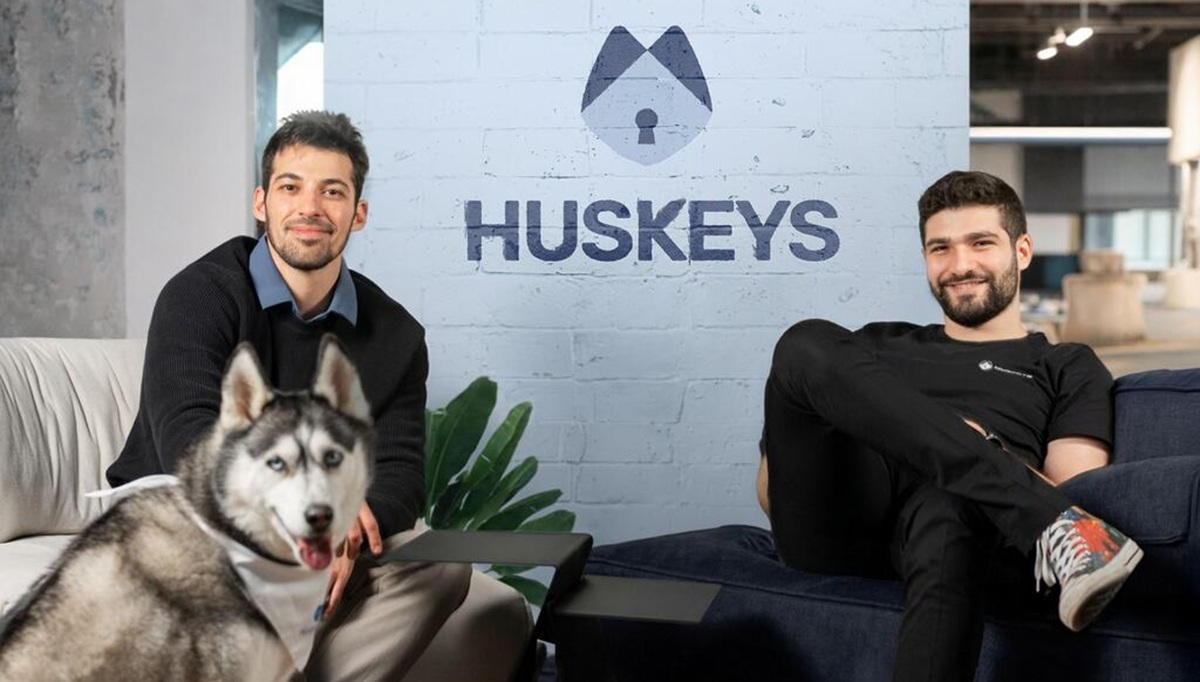



NanoCo, the startup behind the fast‑rising secure AI agent framework NanoClaw, has raised an oversubscribed $12 million seed round, choosing independence over a lucrative acquisition offer reportedly worth around $20 million. The decision marks a bold bet by founders Gavriel and Lazer Cohen, who have watched their open‑source project explode from a couch‑coded prototype to one of the most talked‑about agentic AI tools of 2026.
The round was led by Valley Capital Partners, with participation from Docker, Vercel, Monday.com, Slow Ventures, and a roster of prominent angels including Hugging Face CEO Clem Delangue. Interest surged after endorsements from Andrej Karpathy and a viral post by Singapore’s foreign minister, who described NanoClaw as his “second brain.” Within weeks, the Cohens were fielding dozens of inbound investor messages, community contributions, and unsolicited acquisition offers.
NanoClaw’s appeal stems from its security‑first architecture. Unlike traditional agent frameworks that run directly on a user’s machine with broad access, NanoClaw operates fully sandboxed inside a container, isolating credentials and services. This approach, once niche, has quickly become a model for secure agent deployment as enterprises experiment with AI‑driven automation.
The Cohens initially built NanoClaw as an internal tool for their previous AI marketing startup. But as the open‑source community grew, a founder friend offered a pivotal insight: projects like this become exponentially more valuable as their user base expands. That advice pushed the brothers to shutter their earlier venture and commit fully to NanoCo.
Momentum accelerated rapidly. Community members began experimenting with NanoClaw on robotics platforms like Reachy Mini, and early adopters—many of them senior engineers at Big Tech companies—started deploying it inside their organizations. That grassroots traction led to NanoCo’s first enterprise customers, who requested help rolling out secure AI agents across teams. In response, the company introduced forward‑deployed engineering services to support implementation and ongoing operations.
Executives at companies including Amazon, Google, Meta, Gap, SentinelOne, and Accenture are already using NanoClaw, according to the founders. While NanoCo declined to name paying customers, the company says demand is accelerating as organizations seek secure, controllable alternatives to general‑purpose agent frameworks.
By turning down a buyout and opting for a seed round instead, the Cohens are signaling confidence that NanoClaw’s community‑driven momentum—and its security‑centric design—can support a much larger business. With thousands of users and growing enterprise interest, NanoCo is positioning itself as a foundational player in the next wave of agentic AI.