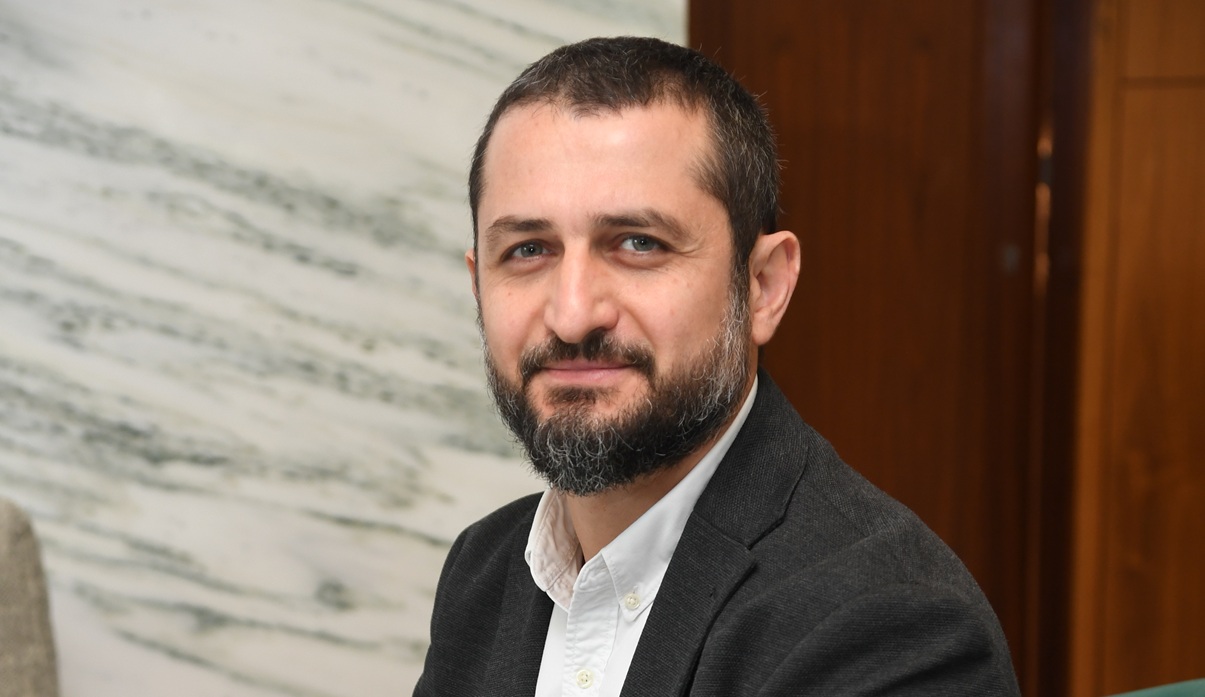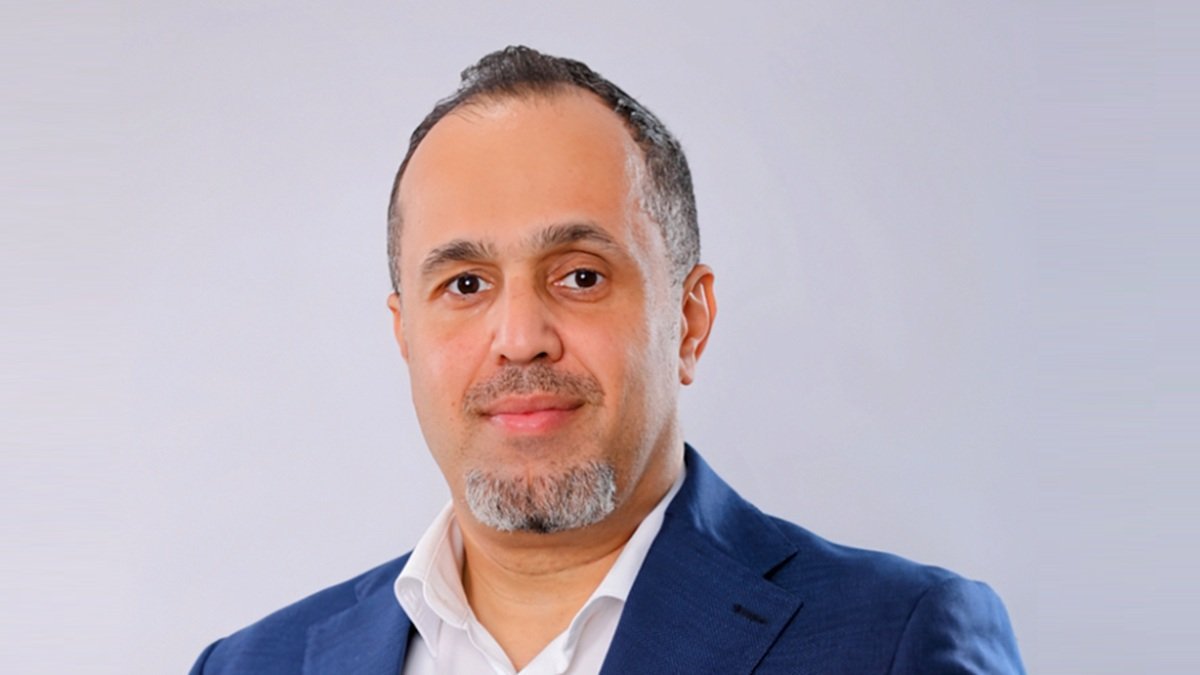



Abdulrazzak Al Zubaidi, Regional Director for the Middle East and Turkey at MongoDB, explains that MongoDB showcases unified data foundations, scalable AI workloads and Vision 2030 momentum at LEAP 2026, highlighting real Saudi customer success and accelerating enterprise modernisation ahead of MongoDB.local Riyadh.
How is MongoDB shaping the future of data for AI-driven enterprises?
The AI conversation has moved on from models to data. I speak to enterprises every week that have the right AI ambition, but their data foundation isn’t right, which is where things start to stall. What we are doing at MongoDB is giving teams a single flexible platform that can handle all their data, structured or unstructured, so they can actually build and ship their AI applications. Getting that foundation right is what separates a pilot from something that scales, which is the shift Vision2030 is pushing organisations across the Kingdom to make.
What new MongoDB product innovations are being highlighted at LEAP 2026?
LEAP is one of my favourite weeks of the year. I’m excited to walk people through MongoDB and everything it now does across the AI application lifecycle, from data modelling to vector search. The highlight for me this year is our session with D360 Bank, one of Saudi Arabia’s most innovative digital banks. We get to show a major Saudi bank running mission-critical transactions on it in real time. We are also there with Google Cloud, so attendees can see how the two platforms work together in practice.
How is MongoDB evolving to support large-scale AI workloads?
What I hear from customers is that AI workloads need both speed and flexibility, and that is hard to deliver. Atlas has evolved to bring vector search and operational data into the same place, on an architecture built to handle serious transaction volume. D360 Bank, one of the Kingdom’s most innovative digital banks, is a great proof point of this. They are running millions of users through this, with the reliability that banking demands. And because Atlas and Enterprise Advanced share the same document model and query engine, organisations can build an application once and run it wherever it makes sense for them — in the cloud on Atlas, or self-managed on Enterprise Advanced for workloads with specific data residency or regulatory requirements — without re-architecting. This is the kind of pressure that tells you whether a platform can really handle scale.
What opportunities do you see in Saudi Arabia’s rapidly expanding data and AI market?
What strikes me about Saudi Arabia is the pace. Vision 2030 has set a clear ambition for an AI-driven economy, and I am seeing that translate into real infrastructure investment across government, enterprise and a new generation of startups. This momentum only sharpens with the Kingdom having designated 2026 as the Year of Artificial Intelligence, under the patronage of HRH Crown Prince Mohammed bin Salman. It is a clear signal from the very top that AI is now central to Saudi Arabia’s national ambitions. I see real opportunity for organisations that get their data foundations right early. It is part of why Riyadh is our regional stop for this year’s event, MongoDB.local. The momentum we are seeing here makes this the right time to bring this event to the Kingdom for the first time.
How is MongoDB helping Saudi enterprises modernise legacy systems and accelerate cloud adoption?
Modernising a mission-critical system while it is still running is one of the hardest things I see enterprises grapple with, because there is no room for downtime. MongoDB lets them move at their own pace, shifting from a rigid legacy architecture to a cloud-native one without putting the business at risk. That flexibility matters a lot in Saudi Arabia, where feature parity between Enterprise Advanced and Atlas means an organisation isn’t forced to choose between modernising and meeting local data residency or sovereignty requirements — they can run the same platform on their own terms, and move to the cloud when and if it makes sense for them.
During our keynote, where we speak about D360 Bank, we showcase it as an example of striking the right balance: building a platform that supports millions of users without compromising reliability, in line with the pace of modernisation Vision 2030 is driving across the Kingdom’s key sectors.
How are partners being enabled to deliver advanced MongoDB-powered solutions?
Partners are how we scale beyond what our own team could do alone. Our work with Google Cloud at LEAP is a great example, giving customers a more joined-up path to building on modern infrastructure. I see partners as the ones translating what MongoDB can do into outcomes that make sense for a specific business or sector. We will be building on this further at MongoDB.local Riyadh in November, where we are bringing together the regional partners and ecosystem players helping power this transformation.
What is the importance of LEAP 2026 for MongoDB in its regional growth strategy?
LEAP matters to me because it lets the work speak for itself. Rather than talking about MongoDB’s capabilities in general terms, we get to stand up with D360 Bank and show exactly what has been built and why it matters. There is a real buzz around LEAP this year, and it feeds directly into something even bigger: MongoDB.local Riyadh on 17 November. Together, they show our sustained commitment to Saudi Arabia’s Vision 2030 ambitions.
What can customers expect from MongoDB.local Riyadh on 17 November?
I cannot wait for MongoDB.local Riyadh. We are bringing government, enterprise, developers and startups together for a full day, with a developer track and an industry track covering sectors from the public sector through to financial services and telecommunications. There will be real customer stories and MongoDB engineers on hand to go deep on the technical details. Coming just a few months after LEAP, this event is our chance to show up in Saudi Arabia in a big way and stand alongside the Kingdom’sVision 2030 journey for the long term.